Why Strength Training Doesn't Fully Prevent Ozempic Face
Strength training is essential — but it's not a shield against rapid metabolic weight loss.
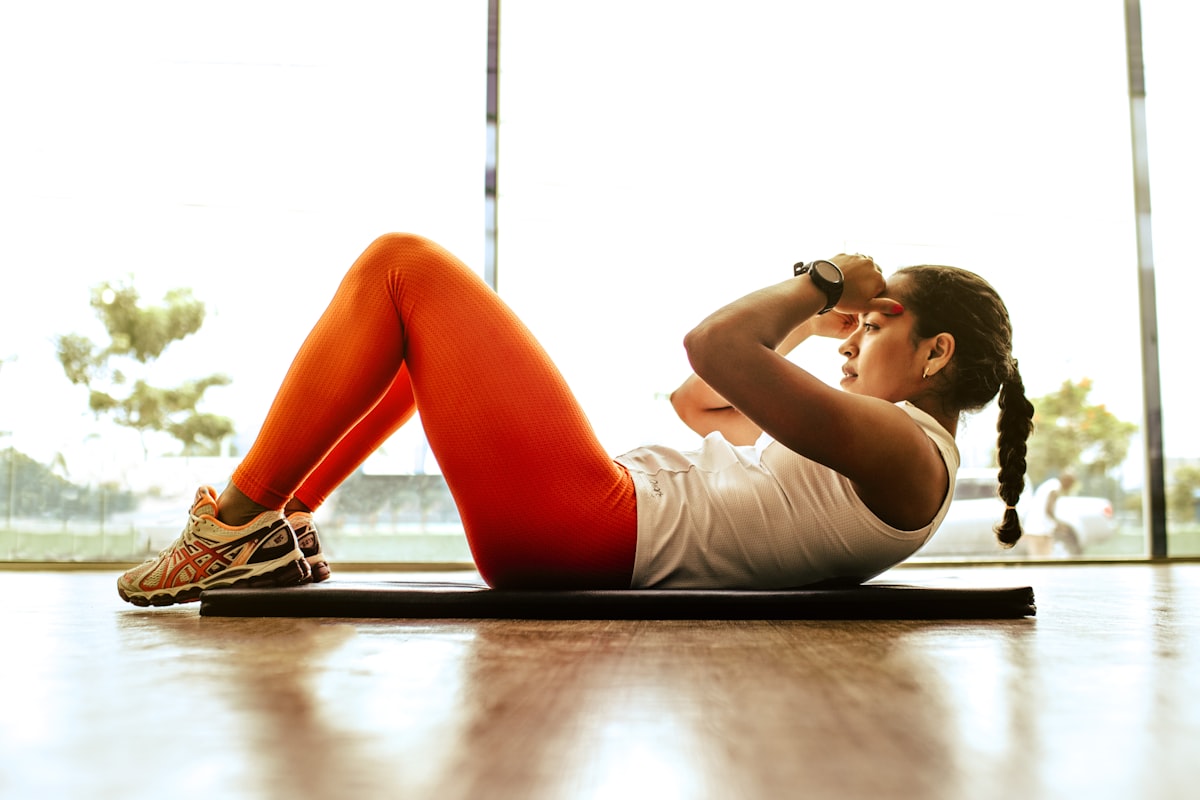
If you're on Ozempic, Wegovy, or Mounjaro, you've probably been told: "Just lift weights to preserve muscle and prevent facial sagging."
This advice isn't wrong — strength training absolutely helps. But it's not the full story. And for many GLP-1 users, it creates a false sense of security.
The Hard Truth:
You can follow a perfect lifting program — and still experience significant muscle loss and facial aging on GLP-1 drugs.
Severe Calorie Deficits Blunt Muscle Retention
Strength training builds and preserves muscle under normal conditions. But GLP-1 medications create extreme calorie deficits that change the rules.
To preserve muscle, you need:
- ✓Adequate calories (ideally no more than 500-750 calorie deficit)
- ✓High protein intake (0.8-1g per lb of body weight)
- ✓Progressive overload (increasing weight over time)
- ✓Adequate recovery (rest days, sleep)
On GLP-1 drugs, you often have:
- 1000-1500+ calorie deficit (unintentionally)
- Difficulty eating enough protein due to nausea
- Reduced strength and energy for progressive overload
- Slower recovery due to inadequate nutrition
Protein Intake Often Drops Due to Nausea
Protein is the most important macronutrient for preserving muscle. But it's also the hardest to consume on GLP-1 drugs.
Why Protein Is Difficult on GLP-1s:
- •Nausea from high-protein foods: Chicken, fish, and meat become unappealing
- •Delayed gastric emptying: Protein sits in stomach longer, increasing discomfort
- •Volume limitations: Appetite suppression makes eating large amounts impossible
- •Protein shakes cause bloating: Even liquid protein becomes difficult
Many users report consuming only 40-60g of protein daily — far below the 100-150g needed to preserve muscle during weight loss.
Facial Support Relies on Both Muscle AND Fat
Here's the part most advice misses: your face isn't just supported by muscle.
🔹 Facial Fat Pads (50% of volume)
Buccal fat, malar fat, and orbital fat provide fullness in cheeks, temples, and under eyes
🔹 Facial Muscles (30% of support)
Masseter, temporalis, and other muscles provide structure
🔹 Skin Elasticity (20% of appearance)
Collagen and elastin determine how skin drapes over structure
The Problem:
Strength training can help preserve facial muscles, but it does NOTHING to protect facial fat pads. When GLP-1 drugs rapidly deplete facial fat, no amount of lifting can replace that volume.
Many Users Report Strength Loss Despite Lifting
The most frustrating part? Even dedicated lifters experience muscle loss on GLP-1 drugs.
Common Reports from GLP-1 Users Who Lift:
- "I've been lifting for 10 years, but my lifts are down 20-30%"
- "My arms look skinnier even though I train them 3x/week"
- "I don't have the energy to push as hard as before"
- "My face still looks hollow despite perfect adherence to my program"
The Key Insight
"You can lift perfectly — and still lose structural support in the face."
Because facial volume loss on GLP-1 drugs is driven by rapid fat depletion, not just muscle loss. And strength training doesn't control where fat comes off.
The Bottom Line
Strength training is valuable and should be part of any weight loss plan. But it's not a complete defense against Ozempic Face. The extreme calorie deficits, protein challenges, and facial fat loss make it impossible for lifting alone to prevent aging.
Preserving Muscle Works Best When...
...weight loss supports metabolism, not suppresses it.
There are weight loss methods that allow you to eat enough, lift effectively, and preserve both muscle AND facial structure.
See a Different Approach