Why Skincare Can't Reverse Ozempic Face
Skincare improves skin quality — not facial structure.
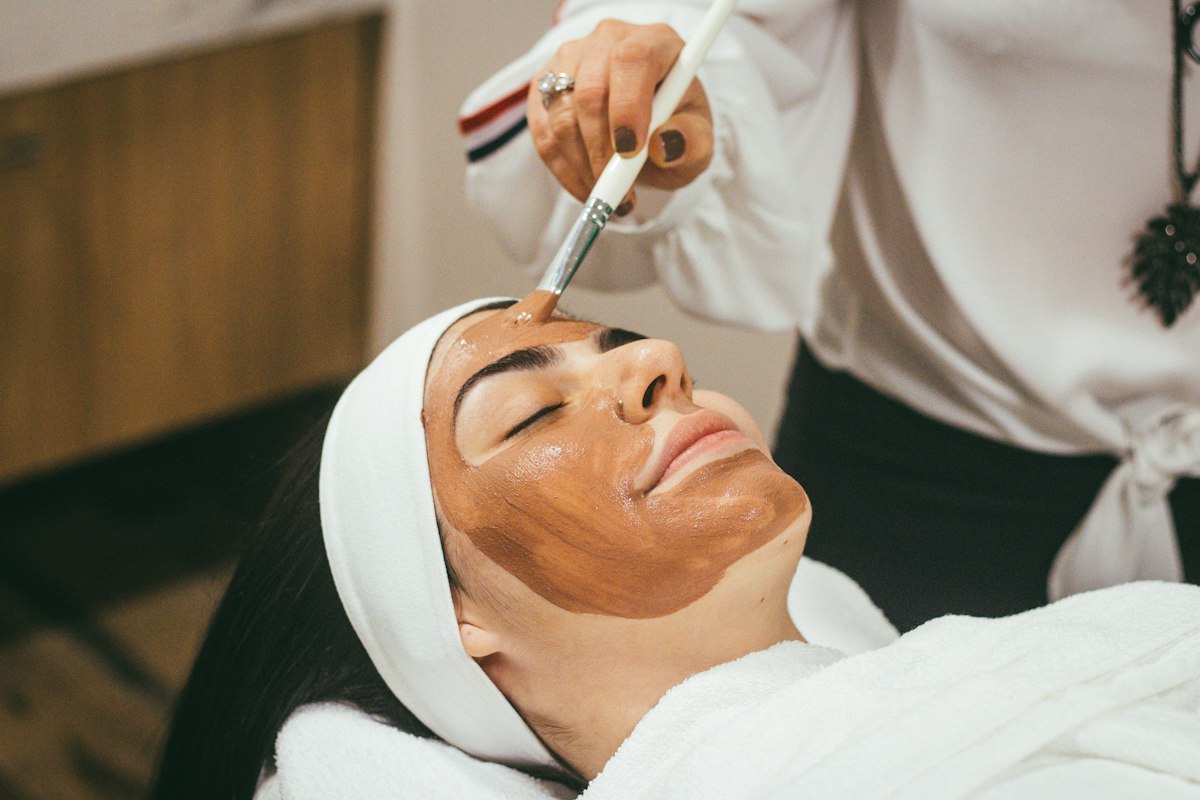
If you're experiencing Ozempic Face, you've probably been told to upgrade your skincare routine. Retinol. Hyaluronic acid. Peptides. Vitamin C. The right products can absolutely help — but they can't fix the core problem.
The Hard Truth:
Skincare products improve texture, hydration, and surface-level appearance. They cannot restore lost facial volume.
Creams Don't Restore Lost Fat
Ozempic Face is primarily caused by the rapid loss of facial fat pads — specifically:
- •Buccal fat pads: Provide fullness in cheeks
- •Malar fat pads: Support mid-face volume
- •Orbital fat: Prevents hollow, sunken eyes
- •Temporal fat: Fills out temples
Hyaluronic Acid Hydrates, Doesn't Volumize
Hyaluronic acid is one of the most recommended ingredients for plump, hydrated skin. It's effective — but often misunderstood.
How Hyaluronic Acid Works:
- 💧Attracts and holds up to 1000x its weight in water
- 💧Plumps the outer layers of skin temporarily
- 💧Reduces the appearance of fine lines (surface-level)
- 💧Improves skin texture and smoothness
What Hyaluronic Acid DOESN'T Do:
- Penetrate deep enough to replace facial fat
- Provide structural volume (only surface hydration)
- Work as a permanent solution (effects last hours)
Think of topical hyaluronic acid like a sponge on the surface of your skin — it helps, but it can't rebuild what's underneath.
Dermatology Escalation Often Leads to Fillers
When skincare products fail to address Ozempic Face (which they inevitably do), many users escalate to dermatological interventions:
The Skincare → Dermatology Pathway:
- Step 1: Buy expensive retinol, peptides, hyaluronic acid serums ($200-500/month)
- Step 2: See minimal improvement after 3-6 months
- Step 3: Book dermatologist appointment ($150-300)
- Step 4: Get prescription retinoids, professional treatments
- Step 5: Still see hollow cheeks, sunken temples
- Step 6: Dermatologist recommends fillers ($600-2,000+ per session)
This escalation happens because topical skincare fundamentally cannot address volume loss. The only medical solution is injectable fillers or fat transfer — both costly, temporary, and requiring ongoing maintenance.
Prevention Beats Correction
The most important lesson about Ozempic Face and skincare:
It's exponentially easier to prevent facial volume loss than to reverse it.
✓ Prevention:
- • Lose weight gradually (1-2 lbs/week)
- • Use methods that preserve facial fat
- • Support skin with nutrition and supplements
- • Avoid rapid, drug-driven weight loss
✗ Correction (After Ozempic Face Occurs):
- • Dermal fillers: $1,000-3,000+ per session, 6-18 month duration
- • Fat transfer: $4,000-8,000, surgical, variable results
- • Thread lifts: $2,000-4,000, temporary, limited effectiveness
- • Facelifts: $7,000-15,000, major surgery, long recovery
The Brutal Reality
Once Facial Fat Is Gone, Skincare Can't Bring It Back
No cream, serum, or topical treatment can restore the deep structural volume lost during rapid weight loss.
The only proven medical interventions are injectable fillers or fat grafting — both expensive, invasive, and temporary.
What Actually Works
If you want to avoid Ozempic Face, the solution isn't better skincare. It's choosing a weight loss method that:
- ✓Allows gradual fat loss
- ✓Preserves facial fat pads
- ✓Maintains muscle mass
- ✓Gives your skin time to adapt
The Best Way to Protect Your Face...
...is to change the method of weight loss.
There are proven approaches that deliver weight loss results without stripping facial volume. No expensive creams or fillers needed.
Avoid the TradeoffsFinal Note:
Skincare is valuable for skin health, protection, and anti-aging. Use retinol, vitamin C, SPF, and hyaluronic acid — they help. But don't expect them to solve a structural volume problem. Prevention through smart weight loss choices is the only reliable solution.